
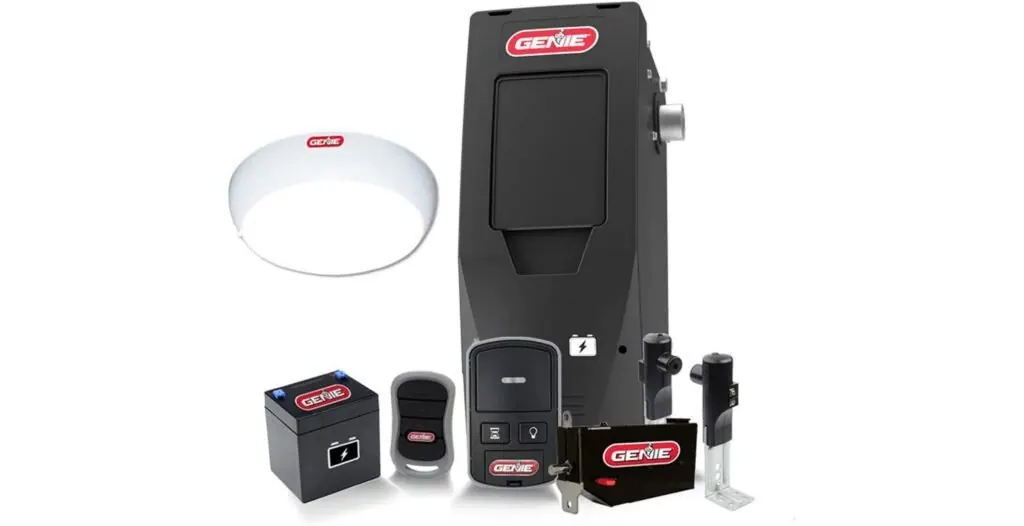
 6072
· Wall Mount Series
6072
· Wall Mount SeriesModel 6072 LED BBU Wall Mount — Repair & Installation
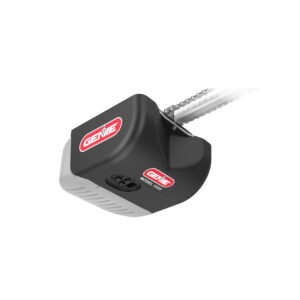
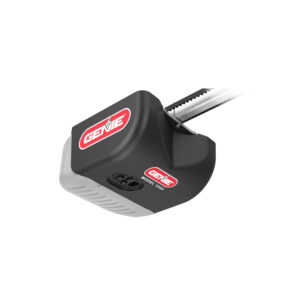
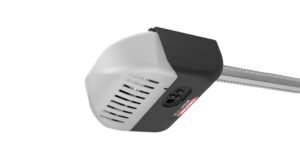
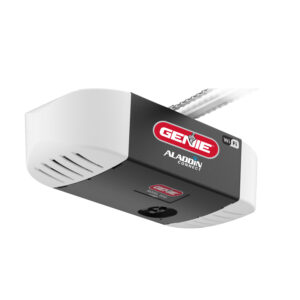
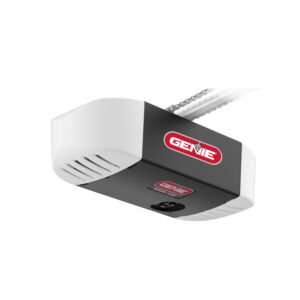
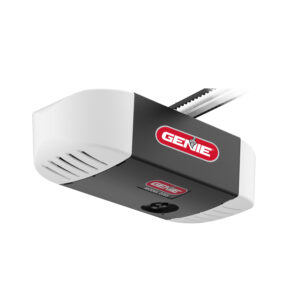
Space-saving wall-mount opener with 24V DC motor and integrated battery backup — eliminates the traditional rail design.
- Compact wall-mount frees ceiling space
- 24V DC motor — quiet yet powerful
- Battery backup
- Integrated LED lighting
Looking to Repair or Install the Genie 6072 in Phoenix or the East Valley?
Need same-day Genie 6072 repair, installation, or a professional tune-up in Phoenix, Mesa, Gilbert, or the East Valley? Farnsworth handles every Genie 6072 in the Valley — whether yours needs a fix, a replacement, or a fresh install on a new door.
The Genie 6072 is a space-saving wall-mount opener with a 24V DC motor and integrated battery backup — it mounts beside the door and keeps the ceiling clear. We install the 6072 for East Valley homeowners who want overhead storage space, and we service the wall-mount hardware, motor, and battery backup on existing units across Phoenix.
The Genie 6072 is a 24V DC DC motor wall-mount (jackshaft). Battery backup carries the door through Arizona monsoon-season outages. Genie backs the motor with a 15-year warranty.
At a Glance
Common Genie 6072 Problems We Fix
If your Genie 6072 is acting up, here's what we see most often — and we repair every one of these as part of our garage door opener repair & replacement service across the Phoenix area. Call us at (602) 935-9766 and we'll get it sorted.
- The door won't open or close Usually a failed logic board, capacitor, motor, or travel module — or a tripped safety sensor. We diagnose the exact cause instead of guessing. what to check when it won't close →
- The remote or keypad stopped working Often a reprogramming issue, a worn receiver, or a dead remote battery. We carry the right remotes and keypads for the Genie lineup. remote troubleshooting steps →
- It's gotten loud or runs rough New noise or rough travel points to worn drive components or loose hardware. We track down the source and fix it. what each opener noise means →
- The door reverses before closing, or won't stay shut Almost always the safety sensors (photo eyes), the travel limits, or the force settings. Quick to diagnose, quick to fix. how to check the safety sensors →
- The motor runs but the door doesn't move The drive has disengaged or a gear has stripped. We re-engage the trolley or replace the gear assembly. why the motor runs but nothing moves →
- Battery backup isn't holding a charge Backup batteries wear out every few years — especially in Arizona heat. We test and replace them so you're never stuck during a monsoon outage.
Diagnostic Codes & Common Symptoms
If your opener is misbehaving, the fault is almost always one of the patterns below. Start here before calling a technician — often you can rule out the small stuff yourself in under five minutes.
Symptoms you can spot without any tools
Door won't close all the way
Usually a safety-sensor issue at the bottom of the tracks — dust, cobwebs, or sun glare knocking them out of alignment. Wipe the lenses, make sure both little indicator lights glow steady, and try again. If it still won't close, the door itself may be binding on the tracks.
Door won't open
First check that the manual release cord hasn't been pulled — the trolley may be disconnected. If the opener hums but nothing moves, that usually points to a broken spring, which we don't recommend touching yourself. Give us a call and we'll take a look.
Door starts down, then reverses back up
This is the opener catching either a real obstruction or a false one. Check the tracks for anything sitting in the way, then look at the safety sensors down by the floor. If both are clear, the close-force setting may be dialed too low for the door's weight.
Opener beeps for no apparent reason
On battery-backup models, that's usually a low-battery warning or a periodic self-test. Check the battery status LED on the powerhead — if it's red or flashing, the internal battery is due for replacement.
Remote won't open the door
Start with a fresh battery in the remote — it's the most common cause and the easiest to rule out. If a new battery doesn't bring it back, re-pair the remote by holding the LEARN button on the powerhead until the indicator lights, then press your remote button once.
Wall control does nothing when pressed
Nine times out of ten this is a loose or nicked wire between the wall button and the powerhead. Pop the button off the wall, check that both wires are firmly seated in the terminals, and look for staples pinching the run anywhere along its path.
Opener hums but the door doesn't move
The motor is trying but something's stopping it — a broken torsion spring, a snapped cable, or the trolley disconnected from the rail. Broken springs are dangerous to work on; if you spot one, please leave the door alone and give us a call.
Remote works, but only up close
LED bulbs in the powerhead are usually the culprit — they can throw radio noise that shortens remote range. Swap for LED bulbs marketed as "garage door opener rated" and you'll usually get your driveway range back.
Opener has gotten noticeably louder
Noise almost always tells you where the wear is — a rattly chain wants tension, dry hinges want lube, and rollers grinding at the top of the tracks want replacement. A yearly tune-up catches these before they turn into a bigger repair.
Door moves noticeably slower than it used to
Two common causes: the door is out of balance (the opener is fighting the door's weight), or the trolley is dragging on a dry rail. Neither is expensive to fix, but ignoring it wears out the motor faster.
Door stops before it's fully closed
The close-limit setting or the close-force setting needs a small adjustment. Both are done on the back of the powerhead, and most models walk you through it with a few button presses. If you'd rather not touch it, we can dial it in during a service call.
Door stops before it's fully open
Same story in reverse — the open-limit is set short, or the door is heavy enough that the open-force cuts out before travel is complete. Balance first, then adjust the limit.
Safety sensors flashing or misaligned
The two sensors at the bottom of the tracks have to look each other in the eye for the door to close. A steady green light on the sender and a steady red light on the receiver means they're aligned. Flashing red means bumped, dusty, or facing the wrong way.
Programming Guide
These steps are the same ones we walk homeowners through over the phone. Start with a fresh battery in whatever you’re pairing (remote, keypad, or car), then follow the sequence.
Pair a remote control
- Press and hold the PRGM/SET button on the opener for about two seconds. The round LED turns blue, then the long LED starts flashing purple.
- Stand at least five feet back from the opener, then slowly press and release the remote button you want to use — twice.
- Both opener LEDs flash and go out to confirm the remote is paired. Press the remote button once more and the door should run.
Confirmation signal: look/listen for both opener LEDs flashing and then going out.
Set up a wireless keypad PIN
- On the keypad, enter the factory default PIN of 3-5-7.
- Press the PROGRAM key once.
- Enter the PIN you want to use — anywhere from 3 to 8 digits.
- Press the PROGRAM key once more. The old PIN stops working immediately.
PIN length: 3–8 digits — pick something you’ll remember but wouldn’t be a neighbor’s obvious guess.
Erase every remote from memory (if lost or stolen)
- Press and hold the SET/PRGM button until the round LED turns blue, then release. The long LED will flash purple.
- Press and hold the UP and DOWN buttons together until both LEDs turn blue, then release. That erases every remote, keypad and in-car transmitter.
- Press a remote button to check. The opener should not run — that confirms memory is clear and everything needs re-pairing.
This wipes every paired remote and keypad from the opener’s memory. Re-pair only the ones you want to keep afterward.
When It Isn't the Opener
Before you replace a Genie opener, it's worth ruling out the door itself. These three account for most of the calls where the opener turned out to be working fine.
- A broken spring The most common reason an opener suddenly can't lift a door. The opener is fine — it's being asked to lift several hundred pounds on its own.
- A door that's too heavy to lift by hand If you can't lift it manually with the opener disconnected, the counterbalance is out — no opener will fix that.
- How to test the door's balance A two-minute check that tells you whether the problem is the opener or the door.
Features Explained
LED lighting
Bright, long-life LED lighting comes on when the door moves. Uses a fraction of the power of an incandescent bulb and lasts many times longer.
Integrated battery backup
Opens and closes the door during a power outage — critical during Arizona monsoon-season blackouts. Most models get 20–50 cycles per full charge before the backup needs a rest.
HomeLink compatible
Pairs with the HomeLink buttons built into most modern vehicles, so you can open the door from your car's visor or dashboard without a separate remote.
Quiet DC motor
DC motors run noticeably quieter than the older AC-motor openers — noticeable if a bedroom shares a wall with the garage.
Convenience & Safety Features
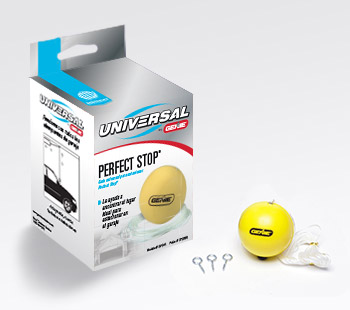
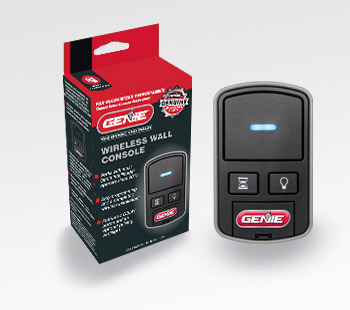
Product Gallery





Maintenance Schedule
A few minutes of the right maintenance keeps your opener quiet and your springs living out their full life. Here’s the schedule the manufacturer recommends, in plain language.
As needed
- Place a 2x4 flat on the floor under the door and close it — the door must reverse when it touches the wood.
Don’t want to fuss with a ladder? Our annual tune-up covers all of the above and adds a hands-on safety inspection. Book a tune-up online.
Warranty
Manufacturer Documents
Spec sheets, owner's manuals, and install guides published by the manufacturer. Click any document to open the PDF.
Genie 6072 Installation in Mesa, Gilbert & the Phoenix Area
Thinking about putting a Genie 6072 on your garage? Here's how Farnsworth handles it.
We source the opener for you
You don't need to track down the Genie 6072 yourself. We stock and source Genie openers for our clients and bring the right one to your home.
Professional install, done right
Wall-mount openers like the Genie 6072 mount beside the door instead of on the ceiling — a cleaner install that frees up overhead space, but one that demands correct torsion-bar mounting and cable tension.
Tuned, tested, and explained
We balance the door, set the travel limits and force, test the safety reverse, program your remotes, and walk you through everything before we leave.
Old opener on its way out, or building new? See our opener installation & replacement service, book a visit, or call (602) 935-9766 — same-day service is our standard.
Signs It's Time to Replace Your Opener
A garage door opener is easy to ignore until it strands you. If any of these sound familiar, it's worth a conversation:
- Your opener is 10–15 years old or older — motors and logic boards wear out, and parts get harder to find.
- It still uses a fixed code instead of rolling-code security, which leaves your garage vulnerable.
- It has no auto-reverse safety system, or the reverse is unreliable — a serious hazard with kids or pets.
- It's slow, loud, or shakes the whole garage every time it runs.
- It has no battery backup — so a Phoenix monsoon outage locks you out (or in).
- It can't connect to your phone, and you want to check or close the garage from anywhere.
The Genie 6072 solves the outage problem with built-in battery backup — and we can have it installed before you know it. Learn more about opener repair & replacement, or call (602) 935-9766 and we'll tell you honestly whether a repair or a replacement makes more sense for your door.
What We Watch For on the Genie 6072
- It runs on Intellicode security. We make sure any remotes, keypads, or accessories we add are matched to that protocol so nothing gets locked out.
- Battery backup is only as good as the battery. In Arizona heat, backup batteries age faster than the spec sheet says — we test yours and tell you straight when it's time.
Frequently Asked Questions
Can Farnsworth install the Genie 6072 in the Phoenix area?
Yes. We source, install, and service the Genie 6072 across Phoenix, Mesa, Gilbert, Chandler, Queen Creek, Scottsdale, Tempe, San Tan Valley, and the rest of the East Valley. You don't need to buy the opener separately — we stock and bring it to you.
Do you repair the Genie 6072, or only install new ones?
Both. Whether your Genie 6072 needs a repair, a tune-up, or a full replacement, Farnsworth handles it. We work on this model regularly and carry the common parts.
My Genie 6072 is acting up — can it be fixed, or should I replace it?
That depends on the issue and the age of the unit. We'll diagnose it honestly and tell you whether a repair or a replacement is the better value for you — we don't upsell.
How soon can you come out?
Same-day service is our standard, and we'll get to you as quickly as we can. Call or text (602) 935-9766 and we'll find the soonest time that works.
Does the Genie 6072 keep working during a power outage?
Yes — the Genie 6072 has built-in battery backup, so you can still get in and out during a Phoenix monsoon outage. We test and replace backup batteries as part of our service.
How do I program a new remote to my Genie 6072?
Press and release the LEARN button on the back of the powerhead — the indicator light will glow. Within 30 seconds, press the button on your remote that you want to use for this door. Watch for the confirmation signal (usually the opener light flashing twice or a pair of clicks). If it doesn't take on the first try, replace the remote's battery and try again.
How do I wipe every remote from my Genie 6072's memory?
Press and hold the LEARN button on the back of the powerhead until the indicator LED turns off. That clears every paired remote and keypad. Re-pair only the ones you want to keep afterward — good practice if a remote is lost or stolen.
Should I install the Genie 6072 myself or hire a pro?
Hire a pro — and here's why. An opener is only as good as the door it's mounted to. Springs have to be sound and the door balanced before the opener ever goes on, or you're handing all the strain to a brand-new motor. The rail has to be perfectly square, or a quiet opener turns noisy fast. Travel limits and force settings have to be tuned so the safety reversal works the way UL 325 requires. Photo eyes have to be aligned. Programming rolling-code security and smart-home pairing trips up a lot of DIY attempts. We install Genie openers every day across Mesa and the Phoenix area — we know which torsion setup pairs with your door weight, we catch a fatigued spring before it snaps, and we haul off the old unit. Our install includes the opener, tuning the door and opener as a system, and testing every safety feature before we leave. Call (602) 935-9766 and we'll get it done right the first time.
Do universal remotes work with the Genie 6072?
The Genie 6072 uses Intellicode rolling-code security. Any universal remote or keypad you buy needs to explicitly support Intellicode — check the packaging before you buy. If in doubt, bring the remote in and we'll check compatibility on the bench.
What areas do you serve?
Farnsworth Garage Door Service covers Phoenix, Mesa, Gilbert, Chandler, Queen Creek, Scottsdale, Tempe, San Tan Valley, and the rest of the East Valley.
Where We Service the Genie 6072
Farnsworth handles Genie 6072 repairs and installations across the Phoenix metro. Same-day service is our standard — wherever you are in the Valley, we come to you.
Why Homeowners Call Farnsworth for Their Genie Opener
A real local name
Farnsworth Garage Door Service is run by brothers Brigham and Riley Farnsworth — a name the East Valley has known for decades. You're calling neighbors, not a national call center.
5.0 stars from your neighbors
A perfect 5.0 Google rating from our neighbors. We treat every garage like it belongs to someone we'll see at the grocery store — because it usually does.
We know this brand cold
We install and repair Genie openers every week. We know the programming quirks, the common failure points, and which parts to keep on the truck.
Same-day is our standard
A garage door problem doesn't wait, and neither do we. Same-day service is the norm, and we show up when we say we will.
Tech Spec Sheet
For installers and Farnsworth techs in the field. Most homeowners can skip this section.
Programming & Remote
Installation Requirements
Need a Genie 6072 Installed or Repaired in Mesa or the Phoenix Area?
We work on Genie openers every week across Mesa, Gilbert, Chandler, Queen Creek, and the rest of the Phoenix metro. Whether you're upgrading from an older unit, replacing a worn-out part, or planning a new install, we'd love to help. Same-day service is our standard.